Next working day delivery by
 CALL US
 Monday to Friday

Compostable packaging refers to materials that can break down naturally in composting conditions, leaving no harmful residues behind. Unlike traditional plastics, which can take hundreds of years to degrade and contribute to significant environmental pollution, compostable packaging offers a more sustainable alternative. Traditional plastics are a major source of pollution, clogging landfills, harming wildlife, and contributing to greenhouse gas emissions. Compostable packaging, on the other hand, helps to reduce these negative impacts by breaking down into nutrient-rich compost, which can enhance soil health, conserve natural resources, and lower our reliance on fossil fuels. This shift plays a crucial role in mitigating climate change and promoting environmental sustainability.
Compostable Paper Packaging
Types of Compostable Paper Products:
Compostable paper products include a wide range of everyday items such as straws, ice cream tubs, and cups. These products are made from renewable plant-based materials, primarily paper, which can easily break down in composting conditions. Unlike traditional disposable items, which often end up in landfills, these paper-based alternatives can be composted at home or in industrial composting facilities. During the composting process, these items decompose into organic matter, returning valuable nutrients to the soil. This not only reduces the environmental impact of waste but also encourages the use of sustainable materials in the production of disposable goods.
Environmental Benefits:
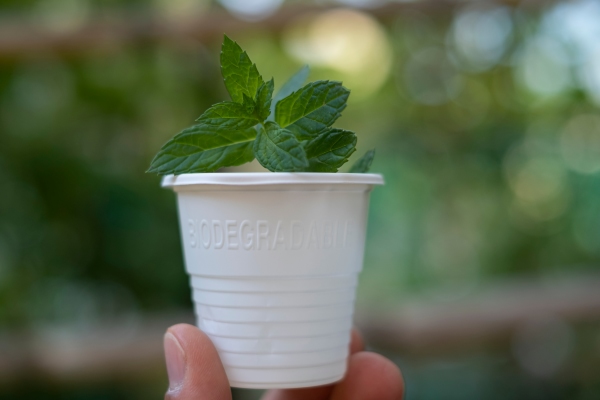
Compostable paper products offer significant environmental benefits. Because they can be composted alongside food scraps and yard waste, they help divert substantial amounts of waste from landfills. This reduction in landfill waste is crucial for decreasing the production of harmful greenhouse gases like methane, which contribute to global warming. Additionally, businesses that adopt compostable paper products can meet their sustainability goals by reducing their reliance on plastic and lowering their overall carbon footprint. The compost produced from these paper products also enriches potting soil, improving its quality and enhancing its ability to capture and store carbon, further benefiting the environment.
Enhancement of Composting Process:
Compostable paper products play a vital role in the composting process itself. They help maintain airflow within compost piles, which is essential for aerobic decomposition. Proper airflow ensures that the composting process occurs efficiently, without the development of unpleasant odours or harmful methane gas.
Additionally, these paper products absorb excess moisture, preventing the compost pile from becoming too compacted. This balance of air and moisture is key to producing high-quality compost. By supporting the structural integrity of the compost pile and aiding in moisture management, compostable paper products contribute to a more effective and environmentally beneficial composting process.
Compostable Wooden Packaging
Overview of Compostable Wooden Products:
Compostable wooden packaging is made from sustainably sourced wood, designed to decompose naturally in composting environments. These products include items like cutlery, trays, and boxes, which offer a durable yet eco-friendly alternative to traditional packaging. Unlike conventional wood products that may be treated with chemicals or traditional plastic packaging that takes centuries to break down, compostable wooden packaging is free from harmful additives and decomposes fully, leaving no toxic residues. This makes them an excellent option for businesses and consumers looking for a sustainable packaging solution that aligns with environmental goals and reduces overall waste.
Sustainability and Environmental Impact:
Compostable wooden packaging plays a crucial role in supporting sustainability and waste reduction initiatives. By replacing plastic packaging with compostable wood, businesses can significantly lower their environmental footprint. Wooden packaging not only helps reduce plastic waste but also aligns with broader sustainability goals by utilising renewable resources. Moreover, the production and decomposition of these products involve a lower carbon footprint compared to both plastic and traditionally processed wood products. As more companies adopt compostable wooden packaging, the cumulative impact on waste reduction and carbon emissions becomes substantial, contributing to a cleaner and more sustainable environment.
Soil Health and Climate Benefits:
Composting wooden packaging has numerous benefits for soil health and climate. When composted, wooden packaging breaks down into organic matter, enriching the soil with nutrients that support plant growth. This process helps to reduce greenhouse gas emissions, as composting wood releases significantly less carbon dioxide and methane compared to landfilling. Additionally, the organic material produced enhances soil moisture retention, which is particularly beneficial in mitigating the effects of drought. By improving soil health and aiding in water conservation, compostable wooden packaging not only supports sustainable agriculture but also contributes to climate resilience in affected regions.
Compostable Plastic Packaging
Introduction to Compostable Plastics (Bioplastics):
Compostable plastics, often referred to as bioplastics, are made from renewable plant-based materials such as corn starch, sugarcane, or potato starch. These materials are designed to break down in composting environments, leaving no harmful residues behind. Unlike traditional plastics, which are derived from fossil fuels and can persist in the environment for centuries, compostable plastics decompose relatively quickly under the right conditions. This makes them a more environmentally friendly option. While traditional plastics contribute significantly to pollution and landfill overcrowding, bioplastics offer a sustainable alternative that aligns with growing environmental awareness and the need for responsible material use.
Environmental Advantages:

One of the key environmental advantages of compostable plastics is their lower carbon footprint. Since they are produced from renewable plant sources, the carbon dioxide absorbed by these plants during growth offsets some of the emissions from production. Additionally, when composted, these plastics help reduce the volume of waste that ends up in landfills, where traditional plastics would otherwise accumulate and contribute to long-term environmental degradation. By replacing conventional plastics with compostable alternatives, we can significantly decrease plastic pollution in oceans and natural habitats. This transition not only helps preserve ecosystems but also supports global efforts to reduce our dependence on non-renewable resources.
Impact on Greenhouse Gas Emissions:
Compostable plastics play a crucial role in reducing greenhouse gas emissions associated with waste disposal. In landfills, organic waste decomposes anaerobically, producing methane—a potent greenhouse gas. When compostable plastics are processed in composting facilities alongside organic waste, they break down aerobically, significantly reducing methane production. Furthermore, composting bioplastics alongside food scraps enhances the overall compost quality, leading to a reduction in the carbon dioxide and methane emissions typically generated by landfills. By diverting both organic waste and compostable plastics from landfills to composting systems, we can mitigate the impact of greenhouse gases on global warming, making a meaningful contribution to climate change mitigation.
In summary, compostable packaging offers substantial environmental benefits across various materials, including paper, wood, and plastic. These eco-friendly alternatives help reduce landfill waste by breaking down naturally, unlike traditional materials that persist for decades. Additionally, compostable packaging lowers carbon footprints by using renewable resources and reducing greenhouse gas emissions. The decomposition process also enriches soil health, contributing to more sustainable agricultural practices and improved carbon capture. By adopting compostable packaging, businesses and consumers can play a significant role in mitigating environmental impact, promoting sustainability, and supporting the transition to a more circular and eco-conscious economy.