Next working day delivery by
 CALL US
 Monday to Friday
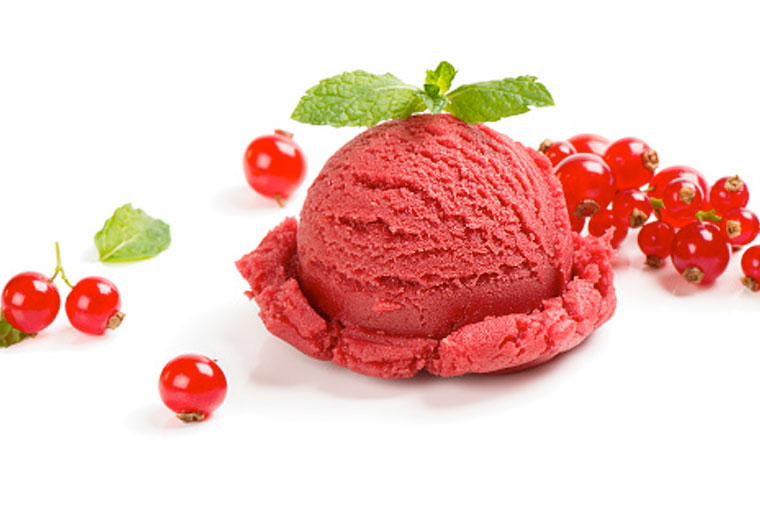
A thousand years have passed since Marco Polo was credited with bringing sherbet, ice-cream’s predecessor, from the Far East to Italy. Originally called “Cream Ice” by the English, the recipe for what we now call ice-cream, is thought to have evolved sometime in the 16th century and by the 17th, to have made a regular appearance on the dinner table of Charles I. Original flavours included cherry, raspberry, currants and strawberry and it wasn’t uncommon, especially in Europe to have ice-cream with grated cheese or candied orange flowers. Vanilla ice-cream became the first flavour to gain wide appeal, however, and has been a number one favourite since the 19th century. In the 21st century, there are now scores of ice-cream flavours and variations on the original recipe to suit a variety of dietary requirements, including sugar-free for diabetics, dairy-free for vegans and nut-free for nut allergy sufferers.
Knowing your ice-cream
Now a billion dollar global business, ice-cream can now be differentiated by colour, textures and tastes. Having woven itself into the fabric of human society, different flavoured ice-creams have become associated with important events and every year people decide on the perfect ice-cream accompaniment for everything from their wedding, to their Easter and Christmas dinners. Strawberry ice-cream, for instance, has become the official ice-cream of the annual tennis championship competition Wimbledon. It has almost become a part of the event and if it wasn’t available it wouldn’t seem right.
According to the experts, the best quality ice-cream maintains its shape and melts slowly. These two factors determine whether an ice-cream has been adulterated with large doses of industrial stabilisers or contains too much air, as is often the case with cheaper, factory produced ice-creams. Good quality ice-cream has a smooth and soft texture that doesn’t melt too quickly in the mouth. Fruit flavours are easy to identify and have not been overwhelmed by the use of too much sugar or artificial flavouring.
Choosing your flavours
The denser ice-cream favourites that contain chocolate, nuts, caramel and marshmallows make way for light flavours in the summer. Summer bar-be-cue favourites, include cookies and cream, which is like a milkshake flavoured ice-cream and newer flavours that incorporate popcorn and spicy crisps.
Having acquaintances over for dinner? Praline Pecan ice-cream with a shot of bourbon, adds a rustic after-dinner charm, that is both tasty and satisfying. Other after dinner flavours includes a pecan nut variety or ones that include champagne and strawberries, and not forgetting the tradition Eton mess favourite.
When ice-cream is eaten during the winter months or served as Christmas dinner dessert, it is often made seasonal by adding toppings like hot fudge or it is served with warm poached fruit like pears or freshly baked apple pie or rhubarb crumble. Among the favourites are apple and blueberry crumble ice-cream and pears poached with vanilla beans and served with ice-cream drizzled with warm melted dark chocolate sauce.
Today there is no limit on the variety or flavours of ice creams available, and making your own home-made ice cream is always fun.